
Water Leak Detection Guide: Signs, Methods & Prevention Tips
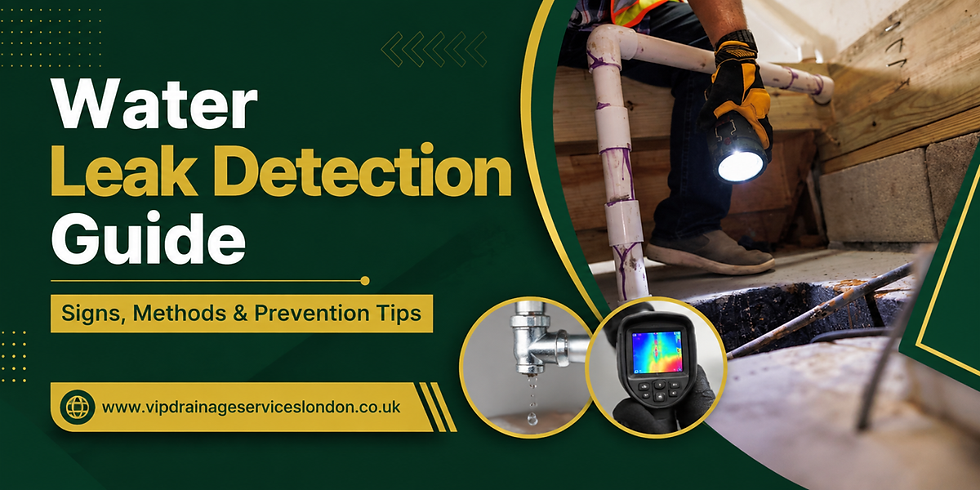
A hidden leak can turn into a costly disaster before you even realise there's a problem. Whether it's a slow drip behind a wall or a burst pipe beneath your driveway, catching the issue early makes all the difference to your property, your finances, and your peace of mind. This guide walks through the warning signs to watch for, the modern methods used for leak detection in UK homes and businesses, and simple steps to prevent water damage before it starts.
Why Early Detection Matters
Water damage rarely announces itself with a dramatic flood. More often, it creeps in quietly, soaking into floorboards, weakening foundations, and encouraging mould growth long before anyone notices a puddle. Left unchecked, a small leak can lead to structural damage, rotting timber, and health issues linked to damp and mould spores. Acting quickly not only protects your property but can also save you a substantial amount in repair bills down the line.
Common Signs of a Hidden Leak
Spotting a leak isn't always straightforward, especially when the source is hidden behind plaster, under flooring, or beneath the ground. Here are some telltale signs worth keeping an eye on:
Unexplained rise in water bills – A sudden jump in your usage without any change in habits is often the first clue.
Damp patches or discolouration – Yellow or brown staining on ceilings and walls can indicate water tracking through the structure.
Musty odours – A persistent damp smell, particularly in rooms without obvious ventilation issues, often points to trapped moisture.
Sound of running water – If you can hear water moving when all taps are switched off, there's a good chance a pipe is leaking somewhere nearby.
Cracked or lifting flooring – Water pooling beneath tiles, laminate, or carpet can cause visible warping or lifting.
Reduced water pressure – A leak along the supply line can cause a noticeable drop in pressure at your taps or shower.
Unusually lush or soggy patches in the garden – Outdoor leaks often show up as patches of grass that stay green and wet even during dry spells.
If any of these signs sound familiar, it's worth calling in a professional rather than waiting to see if the problem resolves itself.
Modern Methods Used for Leak Detection
Gone are the days of digging up entire gardens or knocking through walls on guesswork. Today's technology allows engineers to pinpoint the exact location of a leak with minimal disruption. A qualified leak specialist in London will typically draw on a combination of the following techniques:
CCTV drain surveys use a waterproof camera fed through pipework to visually inspect the interior for cracks, blockages, or joint failures. This is particularly useful for underground drainage and sewer lines.
Acoustic detection relies on sensitive listening equipment that picks up the distinct sound of water escaping under pressure. Trained engineers can then triangulate the exact point of the leak from the surface.
Thermal imaging uses infrared cameras to detect temperature differences caused by escaping water, which is especially effective for leaks hidden behind walls or under floors.
Tracer gas testing involves pumping a harmless gas mixture through the pipe, which then escapes at the leak point and is detected using a specialised sensor above ground.
Moisture meters measure the water content within building materials, helping engineers confirm the extent of water ingress and track its source.
Combining these methods allows for water leak detection in London properties to be carried out efficiently, often without the need for extensive excavation or demolition.
What Happens During a Professional Inspection
A typical inspection begins with a conversation about the symptoms you've noticed, followed by a visual assessment of the property. From there, engineers select the most appropriate detection method based on the pipework, building materials, and likely leak location. Once identified, you'll receive a clear explanation of the findings along with recommended next steps, whether that's a straightforward repair, pipe relining, or replacement of an ageing section of pipework.
Understanding the Cost of Leak Detection
Many homeowners hesitate to book an inspection simply because they're unsure what to expect financially. The truth is that leak detection cost in UK properties varies depending on several factors, including the size of the property, the suspected location of the leak, and which detection methods are required. Straightforward jobs using acoustic equipment tend to sit at the lower end of the price scale, while more complex cases involving thermal imaging or tracer gas testing may cost more due to the specialist equipment involved. Requesting a clear, upfront quote before any work begins is always recommended, and reputable companies will be transparent about pricing from the outset.
Simple Prevention Tips
Prevention is always better than cure. A few practical habits can significantly reduce your risk of dealing with a hidden leak:
Check exposed pipework periodically for signs of corrosion or condensation.
Insulate pipes ahead of colder months to prevent freezing and bursting.
Keep an eye on your water meter reading overnight when no water is being used.
Address minor drips promptly rather than assuming they'll resolve on their own.
Arrange periodic CCTV drain surveys, particularly for older properties with ageing pipework.
Get Expert Help When You Need It
If you suspect a leak but can't quite pinpoint the source, don't leave it to chance. Vip Drainage Services London offers fully equipped engineers using the latest detection technology to locate and resolve leaks quickly, with minimal disruption to your property.


Comments